Boldly announcing the arrival of spring, Daffodils (Narcissus species) are easy to grow and will look fantastic for many springs to come. Despite what you might think, they come in an array of unusual and interesting shapes and colours. To create a fantastic natural-looking display of daffodils, throw a handful of bulbs over the area you intend to plant up. This ensures that you avoid planting in lines or patterns that will look unnatural once they start producing flowers.
Planting Calendar
Daffodil bulbs are best planted in April or May when the summer is just gone and the soil is still warm. Bulbs are available even in winter till the end of June, and can be planted if the ground is not too cold and water logged. If you have missed this autumn window for planting, pre potted up daffodil bulbs are available late winter to early spring.
Harvest In
Picking Flowers
Flowering time is usually in early spring to late spring ( late August to late September). Flowers are cut along with their stalks and sold as cut flowers especially around Daffodil Day in the last week of August. Daffodils make excellent cut flowers and have a decent shelf life.
Prepare
Position
Daffodils prefer being in the sunshine, so select a sunny position in your garden whether you are planting in containers or in the ground. They can tolerate light shade too, but will produce better flowers when in full sun.
Soil
When planted into the ground Daffodils like a free draining soil that is rich in organic matter. To improve the organic content in your soil, break up the soil and add Kings Compost and Kings Sheep Pellets then mix together well. When growing in containers, plant into Kings Potting Mix.
Plant
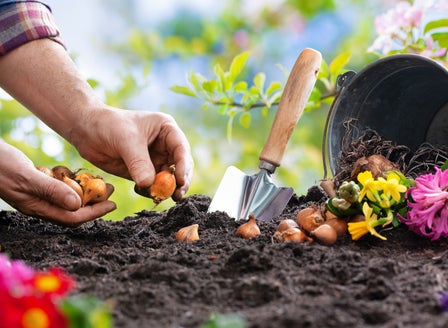
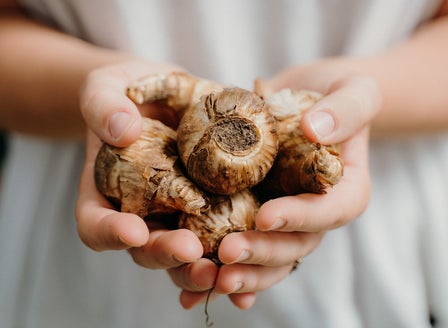
When planting into the ground, prepare the area for planting by loosening up the soil with a fork and adding Kings organic compost and kings sheep pellets to improve drainage. Position the bulbs where you intend to plant, so you can see how they will grow with respect to each other and plants around them. You can either clump them together or scatter them , both ways, they look nice. Dig a hole twice the height of the bulb ( about 10-12 cm normally). Place the bulbs with their pointed end facing up and backfill the hole with soil. Firm the soil down gently and water in well with Aquaticus Organic Garden Booster added to the water. If you are planting a mass of daffodil bulbs, it is wise to use a bulb planting tool. If planting in containers, use a free draining potting mix that does not contain wetting agents like Kings Potting Mix. Plant like you would in the ground, water at the time of planting to get the bulbs started with Aquaticus Organic Garden Booster added to the water.
Care
Beginner Tip
Many times, daffodil bulbs fail to flower, this is called Daffodil ‘Blindness”. The main reason for this is lack of sufficient nutrients and moisture in the soil or because the plant’s foliage was removed too early the previous year
Expert Tip
After flowering is finished, it is important to leave the foliage on the plant till it starts to die naturally in summer. It is at this stage that the leaves absorb maximum sunlight and prepare and store food in the bulbs for the following year. Do not cut the leaves though they look ugly at this stage. Once the leaves dry off, the bulbs can be left in the ground or lifted up to dry. After they are dug up, bulbs should be cleaned of the soil around them and dried in a warm dry place.
Top Varieties
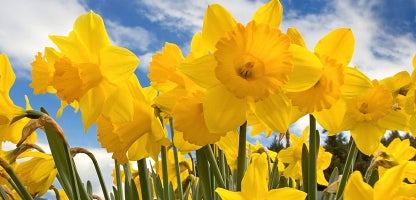
Dwarf Daffodils
Dwarf varieties grow only up to 20 cm in height and are suitable for containers or as short borders. Some popular varieties are: Tete-a-Tete, Thalia and Jet Fire.
Regular Cup or Trumpet Daffodils
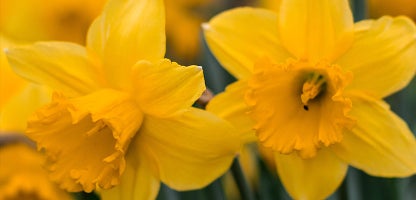
Regular Daffodils are large single flowered daffodils that come in many colours and flower forms.popular varieties are: Precocious and King Alfred.
Frequently Asked Questions
When is the best time to plant daffodils?
The best time to plant daffodils is in late autumn, around April to early May.
How deep should I plant daffodil bulbs?
When planting into the ground, prepare the area for planting by loosening up the soil with a fork and adding Kings organic compost and kings sheep pellets to improve drainage. Position the bulbs where you intend to plant, so you can see how they will grow with respect to each other and plants around them. You can either clump them together or scatter them , both ways, they look nice. Dig a hole twice the height of the bulb ( about 10-12 cm normally). Place the bulbs with their pointed end facing up and backfill the hole with soil. Firm the soil down gently and water in well with Aquaticus Organic Garden Booster added to the water. If you are planting a mass of daffodil bulbs, it is wise to use a bulb planting tool. If planting in containers, use a free draining potting mix that does not contain wetting agents like Kings Potting Mix. Plant like you would in the ground, water at the time of planting to get the bulbs started with Aquaticus Organic Garden Booster added to the water.
How often should I water daffodils?
Daffodils do not need water throughout winter, but once they start sprouting and growing, it is necessary to see that the soil around them is moist, but not too wet.
Are daffodils toxic to pets?
Yes, daffodils are toxic to pets if ingested. Keep them out of reach of cats and dogs.
Which location it best to plant daffodils?
Daffodils prefer being in the sunshine, so select a sunny position in your garden whether you are planting in containers or in the ground. They can tolerate light shade too, but will produce better flowers when in full sun.