Add a touch of lush greenery to your indoor office or living space with a versatile air-purifying indoor ficus tree.
Planting Calendar
Prepare
Position
Indoor ficus grows well in a warm, brightly-lit room, out of direct sunlight. For lower light areas, choose a ficus with dark, non-variegated leaves. Ficus don't tolerate low temperatures or draughts, so keep them away from open windows and doors. For a position in lower light try Ficus Danielle.
Soil
Plant into a pot using King's House Plant Mix.
Plant
Ficus have large roots and need room to grow. Choose a pot that has drainage holes in the bottom and is at least 20cm larger than the current one. Repot into Kings House Plant mix when the roots are showing at the bottom of the pot. Repotting in spring is best.
Care
Beginner Tip
Ficus are considered one of the better plants at purifying the air by removing harmful toxins.
Expert Tip
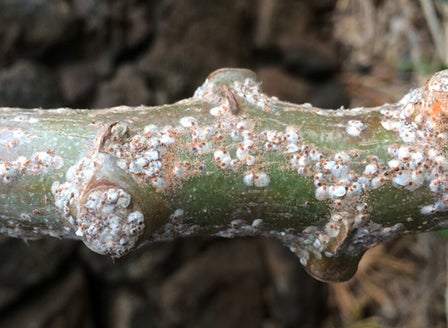
If your Ficus is dropping its leaves, it's often a reaction to stress caused by inconsistent watering, poor light, draughts, relocation or pests.
Tip
To remove dust from the leaves, place into the shower and hose (with cool water). Allow to drain fully, then spray with Leaf Shine for lush shiny leaves.
Top Varieties

Ficus lyrata (Fiddle Leaf Fig)
With its large fiddle shaped tropical leaves Lyrata is a very trendy plant that will make a statement in the corner of a room.

Ficus tineke
A variegated variety of the traditional rubber tree, Tineke is a beautiful houseplant. Its leaves range in colours of light green, cream, and even some pink, this indoor plant makes a soft but striking statement.

Ficus benjamina
There are a number of different varieties of the benjamina with leaves ranging from light green, dark green to cream and green variegated types.

Ficus binnendijkii Amstel King and Queen.
Commonly known as the long leaf varieties, with light green leaves that hang slightly giving the tree a lush tropical flowing look.
Frequently Asked Questions
How often should I water my Ficus?
Water your Ficus when the top inch of soil feels dry to the touch. Overwatering can lead to root rot, so ensure the soil has good drainage. In the warmer months, you might need to water more frequently, while in winter, reduce the watering.
Do Ficus plants need fertiliser?
Ficus require plenty of nutrients to grow well. Feed once a month in spring and summer, and every two months in autumn and winter, with Kings Liquid House Plant Food.
How can I prune my Ficus to keep it healthy and well-shaped?
Prune to shape or to reduce size. Ficus has a white sap that comes from the plant when pruned or broken. Ensure this does not get onto the carpet as it can be hard to remove. This sap can also irritate some people's skin.
Can I propagate my Ficus plant?
Ficus plants can be propagated through stem cuttings. Take a healthy cutting with at least one leaf and a node, and place it in water or a moist potting mix. Keep it in a warm, bright spot until roots develop, then transplant it to a pot.
What are the signs that my Ficus is not healthy?
Signs of an unhealthy Ficus include yellowing or dropping leaves, brown leaf edges, stunted growth, or a general lack of vigour. These can be caused by improper watering, insufficient light, or pest issues. Address these factors to help your plant recover.