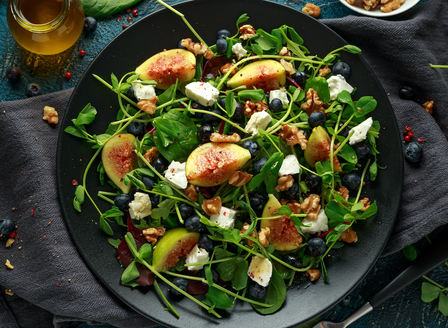
One of the most ancient fruits, figs are enjoyed all around the world and are a sweet delicious addition to any home garden or modern kitchen. Figs are bell-shaped with slightly wrinkled, leathery skin. They can be brown, purple, green, yellow or black, and vary in size. Their high sugar content puts figs among the sweetest of fruits. Each fig ‘fruit’ is actually an enclosed flower head containing many tiny flowers and seeds.
Planting Calendar
Harvest In
2-3 Years
Harvest your figs when they soften and the skin changes colour. Ripe figs should be cut from the tree using secateurs or snips, keeping the stems intact
Prepare
Position
Plant your tree in full sun, preferably in a warmer, sheltered position. Figs like a deep free draining soil rich in organic matter.
Soil
When planting into the ground, gently tap the plant out of its pot. Dig a hole twice the depth and width of the plants root ball. Mix Kings Compost into your existing soil at a 50/50 ratio, add Sheep Pellets and Kings Citrus and Fruit Tree fertiliser, or for a organic option use Kings Natures Organic Fertiliser, then mix together. Back fill the hole with this soil, so that when planted the top of the plant’s roots sit level with the surrounding ground. Firm the soil down gently and water in well with Aquaticus Organic Garden Booster. In heavier clay soils, where drainage is likely to be an issue, plant onto a raised mound and sprinkle Gypsum Clay Breaker into the bottom of the hole, this helps slowly condition the soil and help to break down the clay. When planting into containers plant into Kings Containers mix, as this has water retention crystals in it, which will help in keeping the soil moist. Figs like a deep soil so you will need a pot that is at least 50cm in diameter. A wine barrel would be ideal.
Pollination
Figs do not require a pollinator.
Plant
Gently tap the plant out of its pot. Dig a hole twice the size of the root ball. Back fill the hole mixing in Kings Compost, Sheep Pellets. Plant your Fig so that the top of the plant's roots are level with the surrounding soil. Firm the soil down gently and water in well with Aquaticus Garden Booster In heavier clay soils, where drainage is likely to be an issue, plant into a slight mound and sprinkle Gypsum Clay Breaker into the bottom of the hole, to help slowly condition the soil.
Care
Beginner Tip
Figs have a root system that tends to grow towards water sources, therefore when planting keep away from pipes and drains.
Expert Tip
Well established trees should produce about 6-12kg of fruit per tree.
Top Varieties
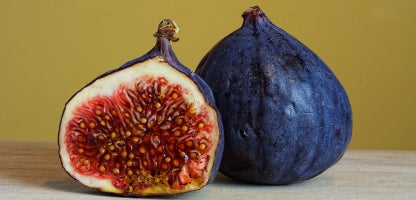
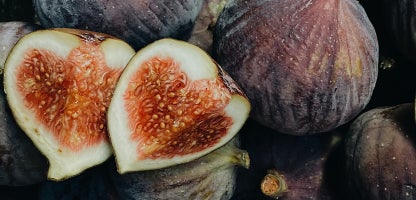
Brunoro Black
Is a large, round top, spreading tree that produces a mass of small to medium pyriform-shaped figs with a red flesh. Growing 4-5M
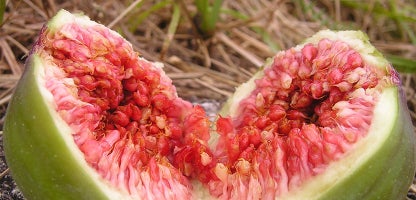
Mrs Williams
Is a vigorous growing, spreading tree that produces a mass of large pyriform-shaped figs with a yellow neck, brown to purple skin and red flesh. Growing 4-5m.
Candy
Is a heavy producer of medium sized, bell shaped green/yellow skinned fruit. Deep red flesh, rich and sugary. Forms a round top spreading tree to 3-5m
Frequently Asked Questions
Can figs be grown up against fences?
Yes, figs can be espaliered against north-facing fences and brick walls.
How often should I water my fig tree?
Watering is essential especially in the first year of planting to allow the roots to get well established. Water slowly allowing the water to sink down into the roots, rather than allowing it to run off the top of the soils surface. Add Saturaid into the soil at planting as this will help channel the water deep down into the root zone. Consider setting up an automatic watering system – these can be simple and inexpensive.
Do fig trees need fertiliser?
Fertiliser is really only needed for container grown specimens. Too much fertiliser can result in too many leaves and not enough fruit. Feed in Spring only with Kings Slow Release Citrus and Fruit Tree food or for an organic option use Kings Natures Organic Garden fertiliser.
How do I prune a fig tree?
Prune fig trees to prevent shading of fruit as this will delay ripening. Limiting the tree size will also ensure that fruit are easy to harvest. If grown in containers keep the plant pruned at manageable size.
When can I expect my fig tree to produce fruit?
Harvest your figs when they soften and the skin changes colour. Ripe figs should be cut from the tree using secateurs or snips, keeping the stems intact