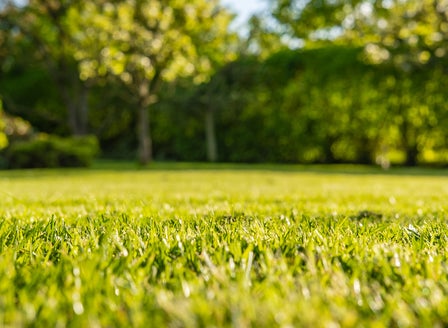
Luscious lawns look great in any garden. By caring for your lawn all year round and keeping it well maintained, you can enjoy a beautiful lawn all year long.
Planting Calendar
The best time to sow lawns is spring and autumn when it is not too hot.
Prepare
A beautiful lawn requires regular maintenance, weeding, feeding and mowing.
Position
Lawns can be grown in sun or shade, depending on the type of grass you are sowing. Talk to our team instore for the right grass for your situation.
Soil
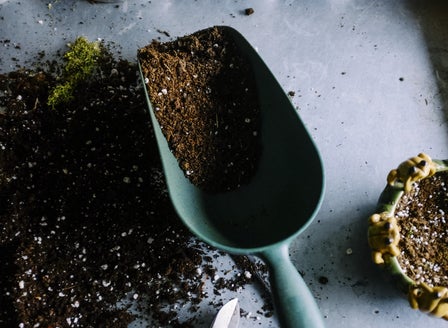
When starting a new lawn it is best to use a weed free soil like Living Earth Lawn Mix, apply to a depth of about 5cm for best results.
Plant
When sowing seed water the soil first so that it is moist, then sprinkle the seed west to east then north to south as this will provide even coverage. Lightly blend the seed into the very top of the soil. Cover with bird netting and continue to ensure it stays moist.
Care
Beginner Tip
Take care not to mow your lawn too low (this is called scalping) as this will encourage weeds to grow. Regular higher mowing is the best option. 3cm is ideal.
Expert Tip
Always calculate the area to be treated when fertilising or applying weed killer as over applying can burn your lawn.
Tip
if your need to repair, sow or revive an existing lawn, spring and autumn is the best time to do it
Frequently Asked Questions
What is the best time to sow lawn seed?
The best time to sow lawn seed is is early spring and autumn when the temperatures are not so hot. Add Saturaid to the soil when preparing this will help keep the soil moist.
How often should I mow my lawn?
For a healthy lawn, mow once a week during the growing season. In winter, mowing frequency can be reduced to every 2-3 weeks.
What is the best time to water my lawn?
For the best looking lawns never allow the soil to completely dry out during the hot months.
How much water does my lawn need?
Water in the morning so that the water sinks into the depth of 10cm.
How do I control lawn pests?
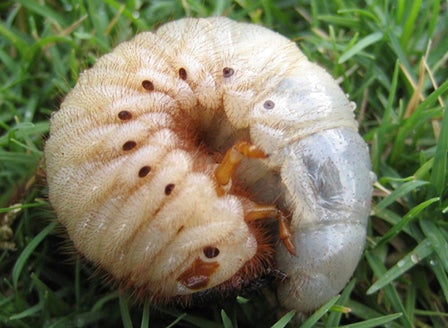
Identify the pest problem first, then choose an appropriate treatment. Common lawn pests include grubs, beetles, and caterpillars. Organic and chemical controls are available, depending on your preference.