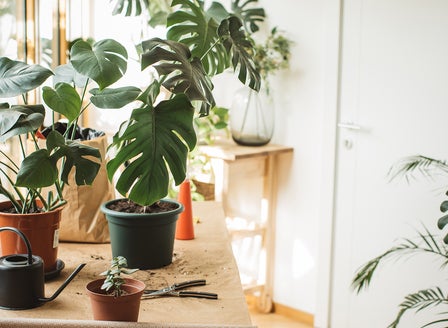
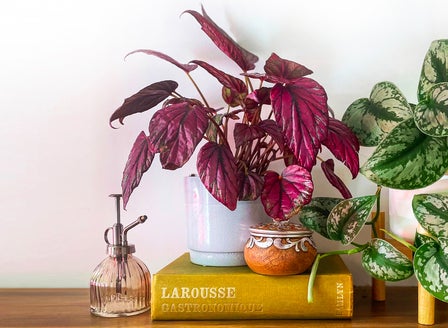
Philodendrons are some of the most beautiful lush foliage plants available. With their shiny glossy leaves they allow you to create an indoor jungle in your home. Philodendrons come in a diverse range of leaf shapes, colours, textures, sizes and growth habits. Philodendrons are easy to care for and are one of the better plants known to purify our air.
Planting Calendar
Different varieties of Philodendron are available throughout the year.
Prepare
Position
Philodendrons can be positioned in a variety of situations in the home depending on the species. Generally a medium to well lit position out of direct sunlight will be best. They look great when growing up a frame or hanging down from a shelf or hanging basket.
Soil
Philodendrons should be grown in Kings House Plant Mix, this is especially formulated for indoor plants.
Care
Beginner Tip
Varieties with darker leaves can tolerate lower light, variegated types need brighter indirect light.
Expert Tip
Philodendrons at times produce a tear drop of water at the tips of the leaves. Don't be concerned as this is part of natural transpiration.
Tip
When using sprays, chemicals or fertilisers always read the label and follow the instructions. Apply sprays in the evening to avoid harming beneficial insects.
Top Varieties
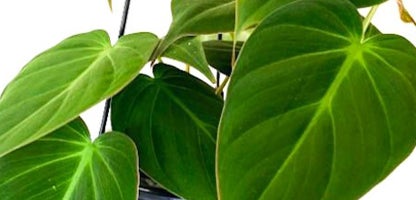
Philodendron hederaceum
A fantastic climbing or hanging philodendron. With lush green leaves it is a great starter philodendron for beginners.
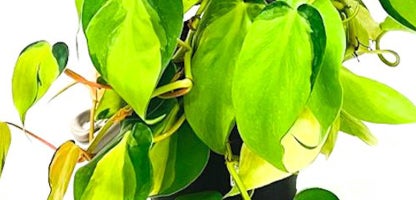
Philodendron brasil
A hanging or climbing type, has lime green/yellow and dark green leaves adding extra colour to your collection. Train up a pole or leave to hang down a wall
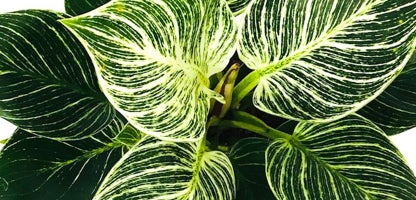
Philodendron birkin
A great option for tables and desk tops as it requires less space. With its striped variegated leaves of green and white Birkin will catch any eye.
Frequently Asked Questions
How often should I water my Philodendron?
Philodendron like to be kept just moist. Allow the top few centimeters of soil to dry out between watering's. Never allow the roots to sit in water.
How do I prune my Philodendron?
Prune only to remove old or damaged leaves or to maintain shape.
Are Philodendrons toxic to pets?
Philodendrons are toxic if ingested by pets, so keep them out of reach.
Why are the leaves of my Philodendron turning yellow?
Yellow leaves can be a sign of overwatering, poor drainage, or lack of nutrients. Adjust care accordingly.
Do Philodendrons need fertiliser?
Feed regularly with Kings House Plant Liquid Food in spring and summer, as per instructions on bottle.