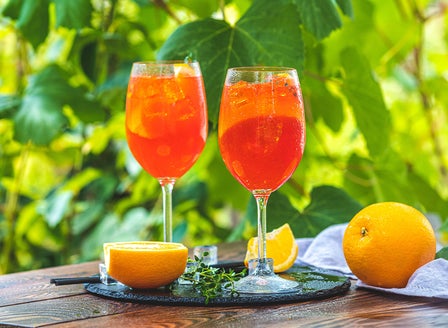
Limes are easy to grow in Auckland, provided they have the correct care. The fruits make great additions to Indian cuisine, baking and even the cheeky cocktail.
Planting Calendar
Limes are best planted from March right through until November.
Harvest In
2 - 3 Years
Limes will be ready to harvest after 2 to 3 years from planting. Different varieties can be harvested at different times, mostly in the winter period.
Prepare
Position
Limes require a warm, sunny position with at least six hours of direct sunlight daily. Protect from cold, harsh winds. Make sure there is a good amount of airflow in the area.
Soil
When planted into the ground limes like a free draining soil that is rich in organic matter. To improve the organic content of your soil, break up the soil and add Kings Compost and Kings Sheep Pellets then mix together well. When growing in containers, plant into Kings Container mix. This mix contains added water storage crystals and Saturaid, two products that help maintain moisture in the soil.
Pollination
Limes are self fertile so they do not need a pollinator.
Plant
Gently tap the plant out of its pot. Dig a hole twice the depth and width of the plants root ball. Mix Kings Compost into your existing soil at a 50/50 ratio, add Sheep Pellets and Kings Citrus & Fruit Tree Fertiliser, then mix together. Back fill the hole with this soil, so that when planted the top of the plant’s roots sit level with the surrounding ground. Firm the soil down gently and water in well with Aquaticus Organic Garden Booster. In heavier clay soils, where drainage is likely to be an issue, plant onto a raised mound and sprinkle Gypsum Clay Breaker into the bottom of the hole, this helps slowly condition the soil and help to break down the clay.
Care
Beginner Tip
Yellow leaves most often mean that young trees require magnesium or other trace elements. Apply Yates Liquid Trace Element as per the instructions on the packet
Expert Tip
Citrus are either grafted onto Dwarf root stock (Flying Dragon). If not grafted they are either grown by seed or leaf cuttings. Grafted varieties are known to be more resilient to disease and grow faster and at maturity are smaller than other types only growing to 2-2.5m
Tip
We suggest removing all fruit in the first year to assist your young tree in establishing a good root and branch structure. Citrus are heavy croppers, often setting more fruit than they can sustain. Early removal of approximately 1/3 of the crop will result in improved fruit quality, and help to prevent biennial bearing (setting fruit only once every two years).
Top Varieties
Frequently Asked Questions
Why won't my lime tree fruit?
Give it a good prune. Prune it into an open vase shape letting lots of sunshine in. Also feed your lime tree with Citrus fertiliser every 3 months around the drip line and ensure that you water well.
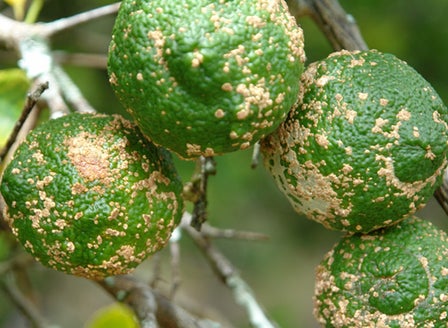
My lemon tree has crinkly leaves and bumps on its fruit, what should I do?
This is most likely citrus scab/verrucosis. Spray with Copper Oxychloride after petal fall, and at 3 to 4 weekly intervals until harvest to help with control and prevention.
There are tiny grubs in my limes, what is it?
The small grubs in your fruit are the larvae of Guava Moth. To keep infestations under control place a Guava Moth Trap in your trees. Remember to replace the pheromone refill every 6 weeks.